
If your period regularly knocks the wind out of you, you are not being dramatic. Cramping that makes you cancel plans, curl around a heating pad, or count the hours until relief is real body stress. And if you have been wondering what helps painful periods naturally, the answer is usually not one magic trick. It is a mix of nervous system support, circulation, inflammation support, and everyday habits that make your cycle less chaotic over time.
Painful periods can happen for different reasons. For some women, the main issue is stronger uterine contractions triggered by prostaglandins. For others, stress, poor sleep, blood sugar swings, low iron, endometriosis, fibroids, adenomyosis, or hormone imbalance are part of the picture. That is why the most helpful natural support tends to work on two levels at once - easing pain in the moment and making the whole cycle feel more supported month after month.
What helps painful periods naturally in the moment
When cramps hit hard, heat is usually the first-line natural support for a reason. A heating pad, warm bath, or hot water bottle can relax the muscles of the uterus and improve blood flow to the area. For many women, heat works surprisingly well because it addresses the spasm itself, not just the feeling of pain. If your cramps come with low back ache or heavy pelvic pressure, placing heat on the lower abdomen and low back can feel even better than using it in one place.
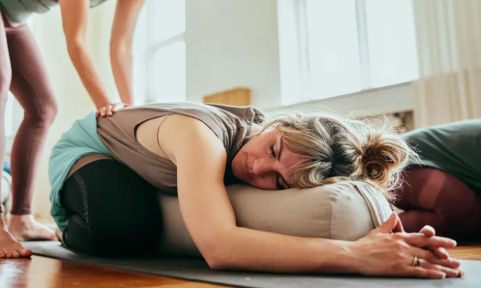
Gentle movement can help too, even if it sounds deeply unappealing when you are crampy and bloated. The key is gentle. A slow walk, a few minutes of stretching, or easy yoga can encourage circulation and reduce that clenched, stagnant feeling. This is not the moment for punishing workouts. Your body is asking for support, not a performance review.
Hydration matters more than most people realize. Dehydration can worsen muscle cramping, and many women are slightly behind on fluids by the time their period starts. Warm fluids often feel best. Herbal teas, warm water with lemon, or a comforting daily drink ritual can be especially soothing if your system tends to run cold or tense.
Some women also find relief with abdominal massage or castor oil packs outside of their heaviest flow days. Light massage around the lower belly can help relax tension, though if you have conditions like endometriosis, sensitivity can vary. This is one of those it depends areas - if touch feels comforting, it may help. If it feels irritating, skip it.
Food can change the way cramps feel
If you only think about period support once bleeding starts, you are already playing catch-up. What you eat in the days leading up to your cycle can influence inflammation, fluid balance, and blood sugar stability, all of which shape how your period feels.
One of the biggest quiet troublemakers is unstable blood sugar. When you are running on coffee and vibes, skipping meals, or bouncing between cravings and crashes, stress hormones tend to rise. That can make PMS feel sharper and periods feel more draining. Balanced meals with protein, fiber, and healthy fats can help smooth the hormonal roller coaster. Think eggs and avocado, salmon and rice, Greek yogurt and berries, lentils with olive oil, or whatever version of balanced feels realistic for your life.
Mineral-rich foods can also make a difference. Magnesium is especially loved for a reason. It supports muscle relaxation and may help with cramping, mood, and headaches. Foods like pumpkin seeds, dark leafy greens, almonds, black beans, and dark chocolate can be helpful additions. Potassium-rich foods like bananas, sweet potatoes, and coconut water may help if your period comes with bloating and tension.
Omega-3 fats are worth mentioning too. They help support a healthy inflammatory response, which matters because painful periods are often linked to inflammatory compounds. Fatty fish like salmon and sardines are obvious choices, but walnuts, chia seeds, and flax can also support the bigger picture.
Then there is the less glamorous but very real question of what to scale back. If your period pain tends to come with breast tenderness, mood swings, anxiety, bloating, or intense cravings, it may help to go easier on alcohol, ultra-processed foods, and excessive sugar around the week before your bleed. Not because you need to be perfect, but because your body usually gives clearer feedback when it is not fighting ten fires at once.
Herbs and supplements that may support painful periods naturally
When women ask what helps painful periods naturally, herbs are often part of the conversation. They can be useful, but this is where matching the support to your pattern matters.
Ginger has some of the best-known evidence for menstrual discomfort. It may help reduce cramping and nausea, especially when used early in the cycle or at the first sign of pain. Cinnamon is another warming, comforting option that some women love during their period, especially in tea or warm drinks.
Magnesium is one of the most common supplement recommendations for painful periods because it supports muscle relaxation and the stress response. It can be especially helpful if you also deal with headaches, irritability, constipation, or trouble sleeping around your cycle. That said, the form and dose matter, and some forms are gentler on digestion than others.
Cramp bark and chamomile are traditional favorites for uterine tension and overall soothing. In Traditional Chinese Medicine-inspired care, warming and moving herbs are often considered when pain feels fixed, cold, and stagnant, while more nourishing support may be considered when periods are painful because the body is depleted. That is where personalized guidance can be helpful. Two women can both have painful periods and need very different support.
If you are someone who lives on caffeine but notices your cramps, anxiety, or breast tenderness spike before your period, you do not necessarily need to break up with your favorite ritual. But supporting the way your body handles stress can matter a lot. This is one reason women are drawn to easy daily wellness habits that fit into what they already do, rather than adding one more complicated routine to the list.
The stress-period pain connection is not in your head
Stress does not cause every painful period, but it absolutely can amplify pain. When your nervous system is stuck in high alert, muscle tension rises, sleep gets worse, digestion gets weird, and inflammation can become more intense. Translation: your period can feel louder.
That is why natural period care is not only about the uterus. It is also about your whole system. Better sleep, steadier meals, fewer cortisol spikes, and moments of actual rest can change the experience of your cycle more than another trendy supplement stack ever will.
This is also why some of the simplest practices work so well. Deep belly breathing. Light stretching. A warm shower before bed. A quieter evening instead of pushing through. A mineral-rich snack before your blood sugar tanks. These are not glamorous, but they are deeply effective because they help your body feel safe enough to soften.
When painful periods are a sign to look deeper
Natural support is powerful, but painful periods should not always be self-managed forever. If your cramps are severe, getting worse, causing vomiting, making it hard to work or function, or not responding to usual relief methods, it is worth getting evaluated. The same goes for very heavy bleeding, large clots, pain during sex, pelvic pain outside of your period, or cycles that feel dramatically different than they used to.
Endometriosis, fibroids, adenomyosis, and thyroid issues are often missed for far too long. You deserve more than being told to just deal with it. Natural support can still be part of the plan, but it works best when you understand what your body is actually asking for.
A more realistic way to support your cycle
The women who feel better around their periods usually are not doing fifty things perfectly. More often, they have a few anchors that support them consistently. They eat enough. They stay warm. They do not ignore the week before their bleed. They support stress before it spills everywhere. They build small rituals that make care feel doable.
That is the sweet spot. Not all-or-nothing wellness. Not white-knuckling your cycle. Just practical, feminine care that meets your body where it is.
If you are asking what helps painful periods naturally, start with the basics that lower strain on your system: heat, hydration, mineral support, balanced meals, gentle movement, and nervous system care. Then pay attention to your pattern. Your cramps are not random. Your body has a language, and the more fluently you listen, the easier it becomes to give it what it has been asking for all along.