
That familiar pre-period feeling can make a normal cup of coffee hit very differently. One week you are happily sipping your morning brew; the next, it seems to come with jitters, rage-y patience, tender breasts, or a 3 p.m. crash that has you hunting for chocolate. So, can coffee worsen PMS symptoms? For some women, absolutely. For others, coffee is not the true villain - it is the timing, amount, stress load, sleep debt, or what is missing from the rest of the plate.
You do not have to break up with coffee just because your cycle is having a moment. Please Lawd, don't take the coffee away. But your premenstrual phase can be an invitation to get a little more discerning about how caffeine is landing in your body.
Why coffee can feel different before your period
PMS is not one single experience. It can include cramps, bloating, breast tenderness, headaches, fatigue, irritability, low mood, sleep changes, food cravings, and that distinctly unfair feeling of being overstimulated and exhausted at the same time.
In the luteal phase - the roughly two weeks between ovulation and your period - estrogen and progesterone shift. These hormones affect neurotransmitters, fluid balance, sleep, digestion, and the way you respond to stress. If you already feel more sensitive, caffeine can turn the volume up.
Coffee itself is not inherently bad for hormones. It also contains beneficial plant compounds, and many people genuinely enjoy it as part of a nourishing morning ritual. The question is whether your current coffee habit is adding fuel to symptoms that are already asking for more care.
Caffeine can amplify the wired-but-tired loop
Caffeine stimulates the nervous system. That can be lovely when you need focus, but it can feel less lovely when PMS has you anxious, irritable, or mentally buzzing at night. If coffee makes you clench your jaw, race through conversations, or feel oddly fragile before your period, that is useful body feedback - not a character flaw.
Caffeine can also linger longer than people expect. An afternoon latte may still be affecting sleep hours later, and disrupted sleep can intensify cravings, lower stress tolerance, and make pain feel harder to manage the following day. Suddenly, the issue is not just one cup. It is a cycle of fatigue, more caffeine, poorer sleep, and an even more tender nervous system.
It may make breast tenderness or cramps feel more noticeable
Research around caffeine and specific PMS symptoms is mixed. Some women report more breast tenderness, headaches, and cramps when their caffeine intake is high, while others notice no difference at all. Your personal pattern matters more than a blanket rule.
Coffee does not create every cramp. Uterine contractions are driven by a complex mix of inflammatory signaling, prostaglandins, circulation, and hormonal changes. Still, if caffeine makes you tense, dehydrated, underfed, or more stressed, it may make discomfort feel sharper and harder to brush off.
Coffee on an empty stomach can be a whole different story
A cup of coffee before food is a common busy-girl move, especially when mornings involve work, kids, commutes, and zero extra bandwidth. But if that coffee leaves you shaky, nauseated, ravenous, or reaching for sugar later, your body may be asking for more steadiness.
Blood sugar swings can overlap with PMS in sneaky ways: mood dips, fatigue, cravings, headaches, and the feeling that you need a treat immediately. Coffee is not always the cause, but coffee without enough food can make an already sensitive premenstrual system feel more chaotic.
How to tell whether coffee is worsening your PMS symptoms
The most helpful answer is rarely found in a dramatic, forever coffee ban. Try a small experiment across two or three cycles instead. Notice whether your symptoms shift when you change one variable at a time, ideally from ovulation through the first few days of bleeding.
Track your coffee amount, timing, sleep quality, anxiety or irritability, breast tenderness, cramps, headaches, digestion, and cravings. You are looking for patterns, not perfection. Maybe one morning cup with breakfast feels completely fine, while a second cup after lunch makes your sleep go sideways. Maybe cold brew is your troublemaker, or maybe the real issue is the stressful week you use coffee to survive.
Pay special attention if you notice these patterns:
- You feel more anxious, panicky, irritable, or emotionally raw after caffeine in the week before your period.
- Your sleep becomes lighter, later, or more fragmented, especially when you have coffee after late morning.
- You get shaky, nauseated, intensely hungry, or crave sweets after drinking coffee without a meal.
- Breast tenderness, headaches, cramps, or digestive upset are consistently stronger during higher-caffeine cycles.
A PMS-friendly way to keep the ritual
If coffee is one of your small daily joys, protect the ritual while adjusting the intensity. Start with food. A breakfast with protein, fiber, and fat can make caffeine feel far more grounded than coffee alone. Think eggs and toast with avocado, yogurt with berries and seeds, or leftovers if that is what real life allows.
Next, consider reducing rather than removing. Half-caf, a smaller serving, or one cup instead of two can be enough to reveal whether caffeine is part of the picture. This is especially worth trying during the final five to seven days before your period, when your resilience may be lower.
Timing matters, too. Keeping caffeine earlier in the day gives your nervous system more room to settle by bedtime. If sleep is fragile in your luteal phase, you may find that a morning-only coffee boundary does more for your PMS than another complicated wellness rule ever could.
For the second cup ritual, choose what supports the mood you are actually in. Decaf coffee, tea, a warming chai-style drink, or a beverage you can pair with a real snack can feel surprisingly satisfying. The goal is not to make your life beige. It is to make your energy less dependent on a roller coaster.
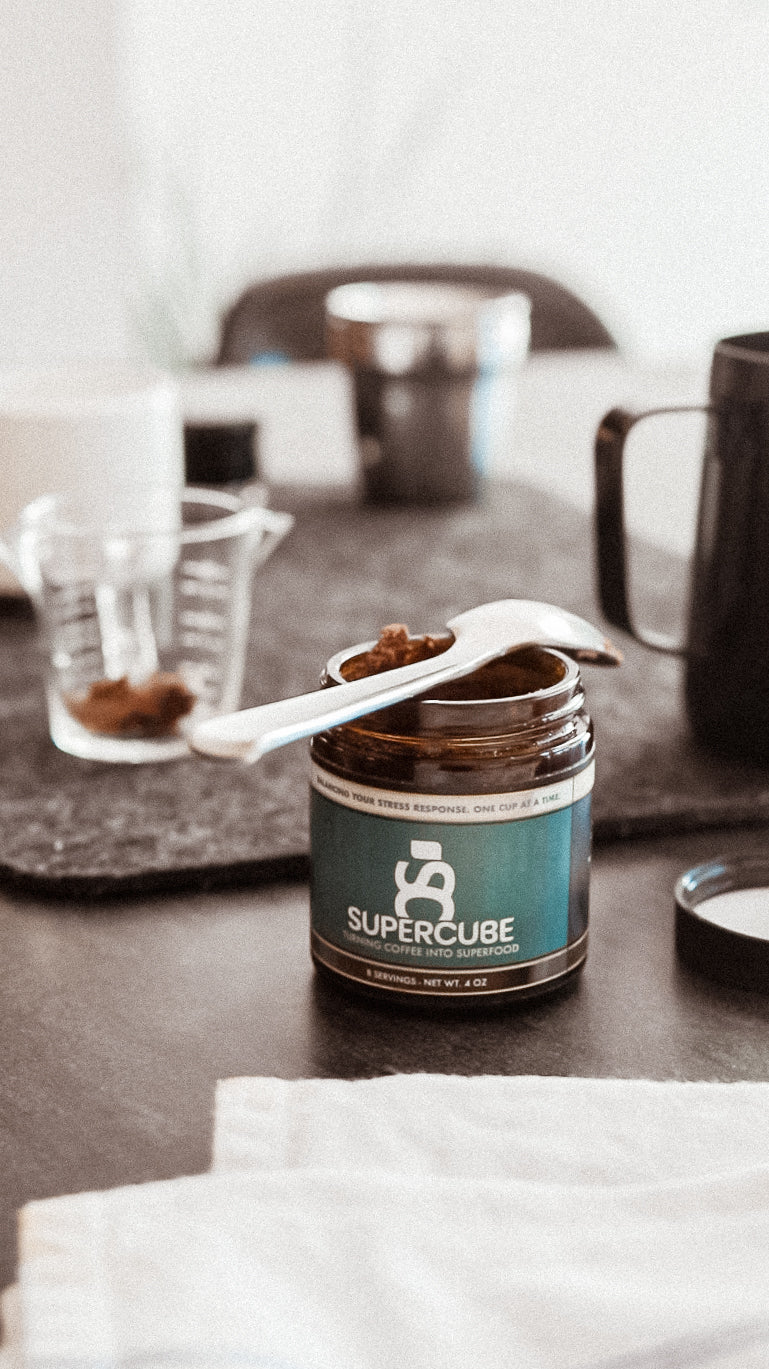
For women who love their coffee ritual but want it to feel more supportive, a daily add-in such as LALAS WELLNESS SuperCube can be an easy way to layer intentional nourishment into the drink you already make. Keep the focus on consistency: one caring choice, repeated often, tends to speak louder than an occasional perfect day.
The bigger PMS picture: coffee is rarely the only lever
When coffee seems to worsen PMS, it is tempting to make caffeine the entire story. But symptoms often become louder when several pressures stack up: poor sleep, chronic stress, skipped meals, low hydration, alcohol, intense training without recovery, or not enough space to regulate before the day starts.
This is where a more holistic lens is useful. In Traditional Chinese Medicine, the premenstrual days are often viewed as a time when stagnation, stress, and depletion can become more visible. Whether or not that language is part of your wellness vocabulary, the practical takeaway is simple: your body may need warmth, regular meals, gentler movement, rest, and fewer things that push it into overdrive.
That does not mean canceling your plans and becoming a different person for half the month. It can mean eating before coffee, taking a 10-minute walk after lunch, choosing an earlier bedtime, or swapping one high-caffeine drink for something gentler when you feel your fuse shortening. Tiny shifts are feminine health care, too.
Coffee can be part of a beautiful routine. Just let your cycle have a seat at the table. When you notice what makes you feel more calm, nourished, and like yourself before your period, you are building body trust one very doable cup at a time.