
Some weeks you can skip lunch, drink coffee, and power through a packed calendar. Other weeks, the same routine leaves you shaky by 3 p.m., craving every salty-carb snack in sight, and wondering why your patience has suddenly packed a bag and left. That is not a lack of discipline, babe. Your body’s needs can shift across your cycle.
This guide to menstrual phase nourishment is about working with those shifts through food, hydration, and simple daily rituals. Not every cycle follows a textbook timeline, and you do not need to eat “perfectly” to support it. The goal is body literacy: noticing what changes, then giving your system more of what helps it feel steady, fed, and cared for.
Why menstrual phase nourishment feels different each week
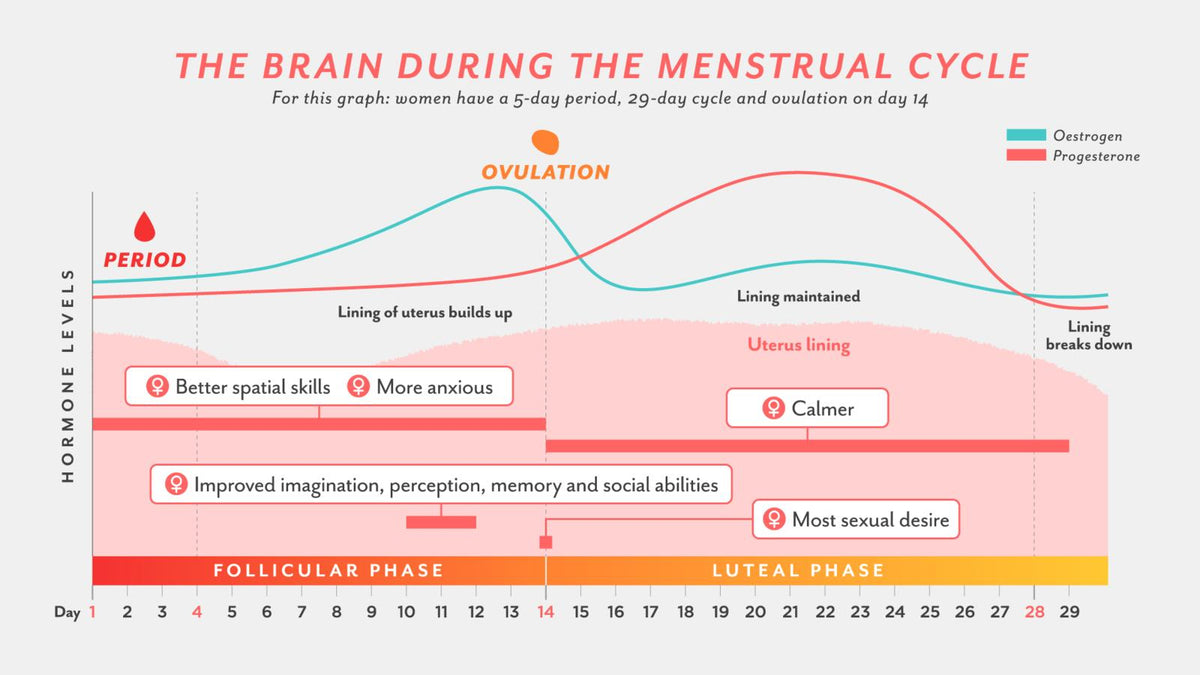
Your menstrual cycle is shaped by changing levels of estrogen and progesterone. Those hormonal changes can affect appetite, digestion, energy, sleep, temperature regulation, mood, and how your body handles blood sugar. This is why the salad that felt fresh and satisfying mid-cycle may feel wildly insufficient the week before your period.
Traditional Chinese Medicine also views the cycle as a monthly rhythm of movement, building, warming, and restoration. You do not need to follow a rigid protocol to borrow the wisdom here. Think less about rules and more about matching your meals to the season your body is in.
If you do not know exactly where you are in your cycle, start by tracking the first day of full menstrual bleeding as day one. Notice your hunger, energy, cravings, bowel movements, sleep, and mood for two or three months. Patterns tend to get much louder when you actually write them down.
Menstrual phase nourishment: replenish and warm
The menstrual phase begins when your period starts. For many women, this is the lower-energy portion of the cycle, especially on heavier-flow days. Blood loss, cramping, digestive changes, and interrupted sleep can make your usual grab-and-go habits feel extra unforgiving.
This is often a beautiful time for warm, mineral-rich meals that are easy to digest. Think brothy soups with beans or chicken, lentil stews, oatmeal with berries and nut butter, eggs with sautéed greens, or rice bowls with salmon and cooked vegetables. Foods with iron, protein, vitamin C, magnesium, and nourishing fats can be especially supportive.
If you are prone to cramps, do not underestimate the basics: regular meals, hydration, and warmth. A warm beverage, heating pad, and a real breakfast can feel much more useful than trying to white-knuckle your way through the day on coffee alone. Please Lawd, nobody is asking you to give up your coffee. Just try pairing it with food, protein, and enough water.
Heavy bleeding, severe pain, fainting, or fatigue that disrupts daily life deserve medical attention. Nutrition can support your cycle, but it should not be asked to carry the entire load when something more serious may be going on.
Follicular phase: build energy without running on empty
The follicular phase starts during your period and continues until ovulation. As estrogen rises, many women notice more motivation, lighter energy, and a return of their social battery. This is the phase where meal prep suddenly seems possible and your workout playlist has main-character energy again.
Use that momentum to build consistent meals, not to accidentally under-eat. Fresh, colorful foods often feel more appealing here: yogurt with fruit and seeds, crunchy salads topped with chicken or chickpeas, grain bowls, smoothies with protein, and roasted vegetables with tahini or avocado.
Fiber matters throughout the month, but this can be an especially comfortable time to lean into it. Fruits, vegetables, beans, whole grains, nuts, and seeds support regular digestion and help soften the blood sugar roller coaster. Pair carbohydrates with protein and fat so your energy lasts longer than the first 45 minutes after breakfast.
A note for the wellness overachievers: feeling energized does not mean your body needs less nourishment. Skipping meals because you are busy can set up bigger hunger and bigger cravings later, particularly as you move toward the luteal phase.
Ovulatory phase: keep things cool, colorful, and steady
Around ovulation, estrogen is high and many women feel more outgoing, confident, and physically energized. Appetite can be a little quieter for some people, which makes this a sneaky phase for forgetting lunch. Then comes the afternoon crash, the irritability, and the drive-thru order that was never the plan.
Keep meals bright and balanced. Protein-forward salads, shrimp or tofu rice bowls, turkey wraps with crunchy vegetables, chia pudding, cottage cheese with fruit, or a snack plate with hummus, crackers, olives, and boiled eggs all work. The best choice is the one you will actually eat before you become hangry.
Hydration deserves a little extra attention here, especially in warmer weather or if you are exercising more. Water is a start, but minerals matter too. Include potassium-rich foods such as citrus, bananas, beans, potatoes, yogurt, and leafy greens, and salt your meals appropriately if you are sweating a lot.
Luteal phase nourishment: the craving support plan
The luteal phase is the stretch between ovulation and your next period. Progesterone rises and then falls, and this is where many women feel the most tender, snacky, bloated, tired, anxious, or emotionally done with everybody’s nonsense.
Your body may genuinely need more fuel in this phase. Trying to suppress hunger with tiny meals, diet drinks, or sheer willpower often backfires. Instead, make meals more substantial: add an extra scoop of rice or potatoes, include a satisfying protein, and bring in fats like olive oil, avocado, nuts, seeds, cheese, or tahini.
Magnesium-rich foods can be especially welcome when you are dealing with tension, poor sleep, constipation, or chocolate cravings. Try pumpkin seeds, almonds, cashews, dark chocolate, black beans, edamame, spinach, and cacao. A few squares of dark chocolate after dinner can absolutely belong in a hormone-supportive life. We are not handing out wellness gold stars for pretending you do not want dessert.
Blood sugar steadiness is your luteal phase bestie. Rather than reaching for something sweet on an empty stomach, pair it with protein or fat. Have the apple with peanut butter. Eat the chocolate after a meal. Add Greek yogurt to the berries. These tiny shifts can make cravings feel less urgent and your mood less like a group chat with no moderator.
Build a phase-friendly ritual that fits real life
You do not need four separate meal plans, a color-coded fridge, or an advanced degree in seed cycling. A simple framework is plenty. Keep a few dependable anchors available for each phase:
- During menstruation, choose warm breakfasts and iron-rich, protein-containing meals.
- In the follicular phase, prioritize fiber, colorful produce, and meals that support your returning energy.
- Around ovulation, do not let a busy day turn into accidental under-fueling. Keep protein and hydrating foods close.
- In the luteal phase, make meals heartier and plan satisfying snacks before cravings turn into chaos.
Let your symptoms be useful information
Menstrual phase nourishment is not about forcing your body into a perfect cycle or treating every symptom as something you failed to manage. It is about responding sooner and more lovingly. If your pre-period cravings are intense, your period leaves you depleted, or your energy vanishes every afternoon, those are clues worth listening to.
Start with one change this cycle: a more substantial breakfast, a prepared luteal-phase snack, or a warm dinner during your period. Your body is not being difficult. She may simply be asking for a little more nourishment, a little more rhythm, and a lot less pressure.