
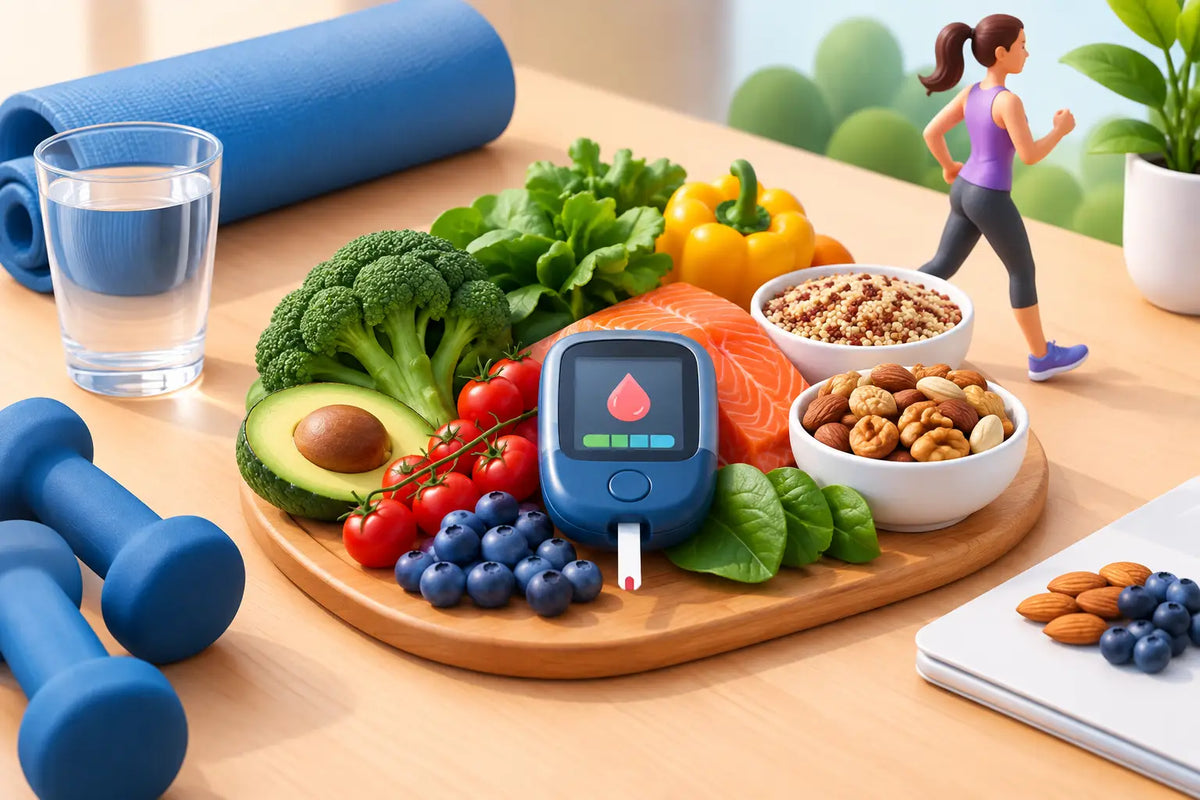
That 3 p.m. snack hunt, shaky feeling before dinner, or sudden need for something sweet is not a personality flaw. It is often your body asking for steadier fuel. Learning how to regulate blood sugar naturally can make a real difference in how your energy, mood, cravings, sleep, and cycle feel from one day to the next.
For many women, blood sugar support is less about becoming hyper-disciplined with food and more about creating a rhythm your body can trust. Think nourishing meals, a little movement, less nervous-system chaos, and realistic rituals that fit beside your actual life. Please Lawd, nobody is asking you to give up coffee.
Why blood sugar affects more than cravings
Blood sugar refers to the glucose circulating in your bloodstream for energy. After you eat, especially carbohydrates, blood glucose rises. Your body releases insulin to help move that glucose into cells, where it can be used or stored.
That process is normal and necessary. The issue is the dramatic up-and-down pattern: a meal that is mostly refined carbs, a skipped lunch followed by a giant dinner, chronic stress, poor sleep, or intense exercise without enough fuel. These can leave some women feeling wired, tired, ravenous, moody, or foggy.
Hormones are part of this conversation too. Stress hormones such as cortisol can affect glucose regulation. Changes across the menstrual cycle and perimenopause may affect appetite, insulin sensitivity, and how steady you feel between meals. This is why an approach that only says “eat less sugar” can feel wildly unhelpful. Your body is a whole system, babe.
How to regulate blood sugar naturally with balanced meals
The most useful place to start is not restriction. It is composition. A meal that includes protein, fiber-rich carbohydrates, fat, and color tends to digest more gradually than carbs on their own, helping you feel satisfied and supported longer.
Picture the difference between a pastry and coffee on an empty stomach versus eggs, avocado, berries, and toast. Both may include carbohydrates, but the second meal brings protein, fiber, and fat to the party. That changes the pace of digestion and often the way your afternoon feels.
Build your plate around protein first
Protein is one of the simplest anchors for steadier energy. It can support fullness and soften the blood sugar rise that comes with a carbohydrate-containing meal. The right amount varies with body size, activity level, appetite, and health needs, so there is no magic number that fits every woman.
At breakfast, consider eggs, Greek yogurt, cottage cheese, tofu, a protein smoothie, or leftovers if that is what sounds good. At lunch and dinner, build around chicken, fish, beans, lentils, tempeh, turkey, beef, or another protein you enjoy. A breakfast of coffee alone is common, but it may not be enough fuel for a body already carrying a lot.
Keep carbs, just pair them well
Carbohydrates are not the villain. They are a preferred energy source for the brain and muscles, and many nourishing foods contain them. The goal is to choose carbs with fiber more often and pair them with protein and fat.
Oats with nut butter and yogurt, rice with salmon and vegetables, fruit with cheese or nuts, and a baked potato alongside chicken and greens all count. White rice, bread, pasta, and dessert can absolutely fit, too. Pairing and portion context matter more than trying to eat with perfect purity.
Fiber deserves a special shout-out because it supports digestion and can slow the absorption of glucose. Vegetables, beans, berries, pears, chia, flax, oats, whole grains, nuts, and seeds are practical options. If you currently eat very little fiber, add it gradually and drink enough water so your digestion has time to adjust.
Do not let hunger become an emergency
Waiting too long to eat can set up the classic cycle: low energy, intense cravings, eating quickly, then feeling sleepy or unsatisfied afterward. Some people naturally prefer fewer meals, while others feel best eating every three to five hours. It depends on your schedule, medications, activity, and hunger cues.
The helpful question is: do you regularly get so hungry that food choices feel frantic? If yes, keeping an easy snack nearby can be a loving form of preparation. Try apple slices with peanut butter, a yogurt cup, edamame, trail mix, a cheese stick with fruit, or hummus with crackers and veggies.
The overlooked piece: your nervous system
You can make a beautiful balanced plate, but chronic stress still changes the conversation. When your system is constantly in fight-or-flight mode, cortisol can influence blood glucose and make cravings feel louder. This is not you lacking willpower. It is biology responding to pressure.
Small downshifts count. Take five slow breaths before eating. Sit down for lunch when possible instead of answering emails with one hand and chewing with the other. Step outside for two minutes. Put a boundary around the evening work spiral. These are not fluffy extras. They help tell your body that it is safe enough to digest, rest, and regulate.
Traditional Chinese Medicine has long viewed digestion, stress, and energy as intimately connected. From that lens, regular warm, nourishing meals and calmer eating rituals can be especially supportive when you feel depleted, cold, bloated, overstimulated, or stuck in a cravings-and-crash loop. You do not need to make every meal a wellness ceremony. Even one calmer meal a day is a meaningful start.
Move after meals, not as punishment
A short walk after eating is one of the most accessible habits for blood sugar support. Your muscles use glucose for energy, so gentle movement after a meal can help your body handle that rise in a more even way.
Ten minutes is useful. So is walking around the block, tidying the kitchen, dancing to one song, or taking a few calls on your feet. If a post-meal walk is not realistic, make movement part of your day in another way. Strength training, Pilates, cycling, gardening, and regular walking can all support insulin sensitivity over time.
The trade-off is that more intensity is not always better. Very hard training when you are underfed, exhausted, or highly stressed may leave you feeling more depleted. Fuel your workouts, recover well, and choose movement that makes you feel stronger rather than punished.
Rethink your morning beverage ritual
Coffee can stay. For many women, the bigger issue is drinking it on an empty stomach and then wondering why the day starts with jitters, a delayed appetite, and a late-morning crash.
If you love your coffee, chai, matcha, or tea, try having it with breakfast or adding a supportive snack alongside it. This is the lazy girl’s hack to health: make the ritual you already have work harder for you. A daily beverage can become a gentle cue to pause, nourish yourself, and begin the day with more steadiness.
Pay attention to caffeine timing, too. If afternoon coffee disrupts sleep, the next day may bring more cravings and shakier energy. A little experiment with timing can reveal more than a rigid rule ever will.
Sleep is blood sugar care, too
A short or restless night can make hunger hormones and cravings feel more intense the following day. You may notice that foods you normally enjoy in a balanced way suddenly feel impossible to stop eating. Again: not a character issue.
Aim for a consistent wind-down rhythm rather than a flawless bedtime. Dim lights, eat dinner early enough to digest comfortably, reduce doom-scrolling if you can, and make your bedroom feel less like a second office. If sleep is persistently difficult, especially alongside night sweats, cycle changes, snoring, anxiety, or exhaustion, it is worth bringing to a qualified clinician.
When natural support needs medical support
Lifestyle habits can be powerful, but they do not replace individualized care. If you have diabetes, prediabetes, PCOS, are pregnant, take glucose-lowering medication, or have a history of an eating disorder, work with a licensed healthcare professional before making major diet or supplement changes.
Seek medical guidance for frequent dizziness, fainting, confusion, severe thirst, unexplained weight changes, recurrent blurred vision, or symptoms that feel intense or new. Tracking patterns around meals, sleep, stress, movement, and your cycle can give you useful information to bring to that conversation.
Start with one anchor this week: eat a protein-forward breakfast, take a ten-minute walk after dinner, or pair your afternoon snack with protein and fiber. Your body does not need a perfect plan. It needs enough consistency to believe that energy is coming, stress will pass, and you are paying attention.