
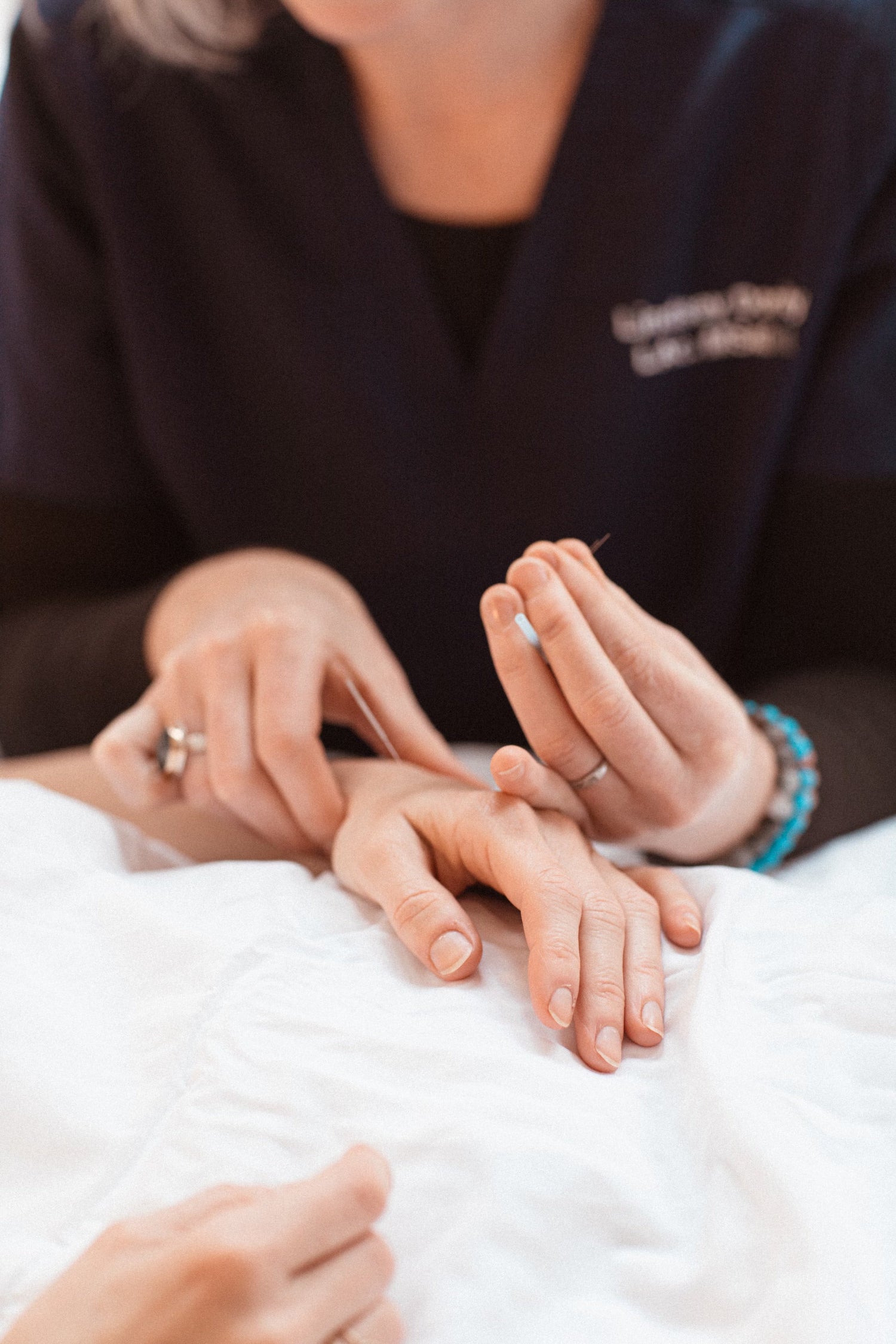
That is exactly why this approach can feel like such a relief. Instead of asking you to micromanage every symptom one by one, it looks at the pattern underneath. For women who are tired of feeling like they need five specialists, twelve supplements, and a color-coded spreadsheet just to function, that kind of whole-body lens matters.
What TCM for hormonal imbalance actually looks at
Traditional Chinese Medicine does not diagnose hormonal issues the way conventional medicine does. It is not measuring estrogen, progesterone, cortisol, or thyroid hormones on a lab panel and calling it a day. It looks at how your body is functioning through patterns of disharmony.
That means a practitioner may ask about your period, but also your sleep, bowel movements, stress, appetite, body temperature, skin, headaches, and even whether you wake between 1 and 3 a.m. annoying and specific? Yes. Also useful.
In TCM, hormones are often understood through systems related to the Liver, Kidneys, Spleen, Heart, and the movement of Blood and Qi. Those terms do not map perfectly onto Western organs, which is where confusion happens. The Liver in TCM, for example, has a lot to do with the smooth movement of energy and emotion. When that system gets stuck, you might see PMS, breast tenderness, irritability, bloating, or painful periods. The Spleen system is tied to digestion and energy production, so when it is underpowered, fatigue, brain fog, blood sugar crashes, and damp, heavy feelings can show up.
This is where nuance matters. Two women can both be told they have a hormone imbalance, but one may run hot, feel wired, and have short cycles, while the other feels cold, depleted, and gets long delayed periods. TCM would not treat those as the same picture.
Why this approach resonates with so many women
A lot of women do not need more information. They need a framework that makes their symptoms make sense.
TCM for hormonal imbalance can be deeply validating because it respects patterns that women notice in real life. Maybe your cycle changes when your stress spikes. Maybe your digestion falls apart before your period. Maybe you are exhausted but cannot relax. That does not mean your body is broken or dramatic. It means your systems are talking to each other.
This perspective also tends to feel more sustainable because it is built around rhythms. Chinese Medicine pays attention to consistency, nourishment, rest, circulation, and daily ritual. Not perfection. Not punishment. Not pretending your body should perform the same way every single day of the month.
For women balancing work, family, workouts, cravings, deadlines, and a nervous system that has seen some things, that softer but more structured approach can be a game changer.
Common TCM patterns behind hormone symptoms
One of the most common patterns is Liver Qi stagnation. In plain English, this often looks like stress that gets trapped in the body. You may feel moody, tense, bloated, crampy, or emotionally volatile before your period. If you have ever thought, why do I suddenly want to fight everyone and eat chocolate in silence, this pattern may sound familiar.
Another common issue is Blood deficiency. This can show up as scanty periods, dizziness, dry skin, anxiety, poor sleep, and feeling mentally fried. Women who are overworked, under-rested, postpartum, or skipping meals often land here.
Kidney deficiency is also relevant, especially in perimenopause or after long periods of burnout. This pattern may be associated with low back soreness, fatigue, hair shedding, night sweats, low libido, or cycle irregularity. It can feel like your reserves are just not there anymore.
Then there is Dampness, which in TCM can contribute to feeling puffy, foggy, sluggish, or stuck. It is often tied to digestion and metabolism. Women with intense cravings, heavy periods, cystic breakouts, or a sense of carrying extra heaviness may hear this pattern mentioned.
These are not labels to self-diagnose from one article. They are examples of why personalized care matters. The symptom might be PMS, but the root can differ.
How TCM supports hormones in daily life
The beauty of Chinese Medicine is that it is not only about treatment room care. It is also about how you live between appointments.
Food is one of the biggest pieces. TCM generally favors warm, cooked, easy-to-digest meals when the body is depleted or stressed. That does not mean you can never have a smoothie again. It means if you are bloated, chilled, exhausted, and running on iced coffee plus vibes, your body may respond better to more grounding support. Soups, stews, warm breakfasts, mineral-rich foods, and steady protein can help stabilize energy and blood sugar, which matters for hormones more than most women realize.
Stress regulation is another major pillar. In TCM, stagnant energy does not magically move just because you know you should relax. Gentle movement, breathwork, walking, stretching, acupuncture, and even the way you transition between tasks can influence how your body handles stress. If your nervous system is constantly in performance mode, your cycle often pays for it.
Herbal support is where many women get especially interested, and for good reason. TCM herbal formulas are traditionally built in combinations, with each herb playing a role in the overall pattern. That is very different from taking a random single herb because a wellness post said it supports hormones. The right formula depends on whether your body needs nourishment, movement, cooling, warming, calming, or a mix.
That is also why convenience matters. The best support is the one you will actually use. For many women, folding herbal support into an existing daily ritual, like a morning coffee or afternoon matcha moment, is far more realistic than building another elaborate wellness routine from scratch. LALAS WELLNESS speaks to that beautifully - feminine, practical support that meets real life where it is.
Where TCM and modern hormone care can work together
This is not an either-or conversation.
TCM can sit alongside conventional care in a very intelligent way. If you have PCOS, endometriosis, thyroid concerns, severe PMS, missing periods, perimenopausal symptoms, or fertility goals, medical evaluation matters. Labs, imaging, and diagnosis can offer essential information. Chinese Medicine adds a different kind of insight by asking why your unique body is expressing imbalance in the way it is.
That combination can be powerful. One approach may clarify pathology. The other may help support the terrain - energy, sleep, digestion, stress resilience, and cycle regularity. When women feel better, it is often because multiple layers are being addressed at once.
What to expect if you try TCM for hormonal imbalance
First, expect questions. A lot of them. Good TCM care is personalized, so the process is less about chasing a trendy ingredient and more about understanding your pattern.
Second, expect the basics to matter. Sleep, meals, stress, and digestion are not boring side notes in Chinese Medicine. They are central. If your body is sending distress signals through your hormones, it usually wants steadiness before it wants intensity.
Third, expect progress to have texture. Some women notice better digestion or calmer moods before major cycle changes. Others sleep better first. Sometimes pain improves quickly while energy takes longer. It depends on how long the imbalance has been brewing, how depleted you are, and how much support your body needs.
This is where patience and practicality become a very chic little duo. You do not need a perfect routine. You need one that is loving enough to repeat.
Small shifts that make this approach easier
If you are curious about TCM but do not want your life to become a full-time wellness project, start simple. Make one meal a day warmer and more nourishing. Notice how stress shows up in your cycle. Support blood sugar before reaching for caffeine. Build a daily moment that signals safety to your nervous system, whether that is tea, breathwork, journaling, stretching, or taking your herbs consistently with a drink you already love.
That may sound small, but small done daily is where the magic lives.
Hormonal balance is rarely about forcing the body into submission. More often, it is about helping the body feel safe, fed, and supported enough to regulate. TCM offers a language for that process - one that is deeply feminine, refreshingly practical, and far more compassionate than the usual push-through-it script. If your body has been asking for a gentler kind of support, this may be the place to finally listen.