
If your energy crashes at 3 p.m., your period feels rude, your skin suddenly has opinions, and your mood swings make you wonder what planet you're on, your hormones may be asking for support. Learning how to balance hormones naturally is less about chasing one magic ingredient and more about giving your body the steady signals it needs to feel safe, nourished, and regulated.
That matters because hormones do not work in isolation. Cortisol affects blood sugar. Blood sugar affects insulin. Insulin can influence ovarian hormones. Poor sleep can throw all of them into a messy little group chat. When women feel like their body is being dramatic for no reason, there is usually a reason. The body is responding to stress, under-fueling, inflammation, inconsistent routines, or deeper imbalances that deserve attention.
What hormone balance actually means
Hormone balance is not a perfect lab number or a symptom-free life 24/7. It means your body can adapt without constantly tipping into chaos. Your cycle feels more predictable. Your energy is steadier. You are not riding a daily roller coaster of cravings, irritability, bloating, and exhaustion.
For some women, the biggest issue is stress and sleep. For others, it is irregular meals, intense workouts, perimenopause, or coming off hormonal birth control. This is where nuance matters. The right support depends on your symptoms, your life stage, and what your nervous system is dealing with behind the scenes.
How to balance hormones naturally starts with blood sugar
If you do one thing differently this week, make it this. Blood sugar swings are one of the fastest ways to stir up cravings, mood dips, fatigue, and hormone chaos.
When you skip breakfast, run on coffee, then inhale something sweet by midmorning, your body has to work hard to keep up. That stress response can push cortisol higher and make insulin work overtime. Over time, that pattern can worsen PMS, stubborn weight gain, acne, and energy crashes.
A more supportive rhythm looks boring on paper, but your hormones love boring. Eat within a couple of hours of waking. Build meals around protein, fiber, and healthy fats. Pair carbs with something grounding instead of eating them alone. Think eggs and fruit, Greek yogurt with chia, salmon with rice and greens, or a smoothie that actually contains protein instead of just frozen banana and hope.
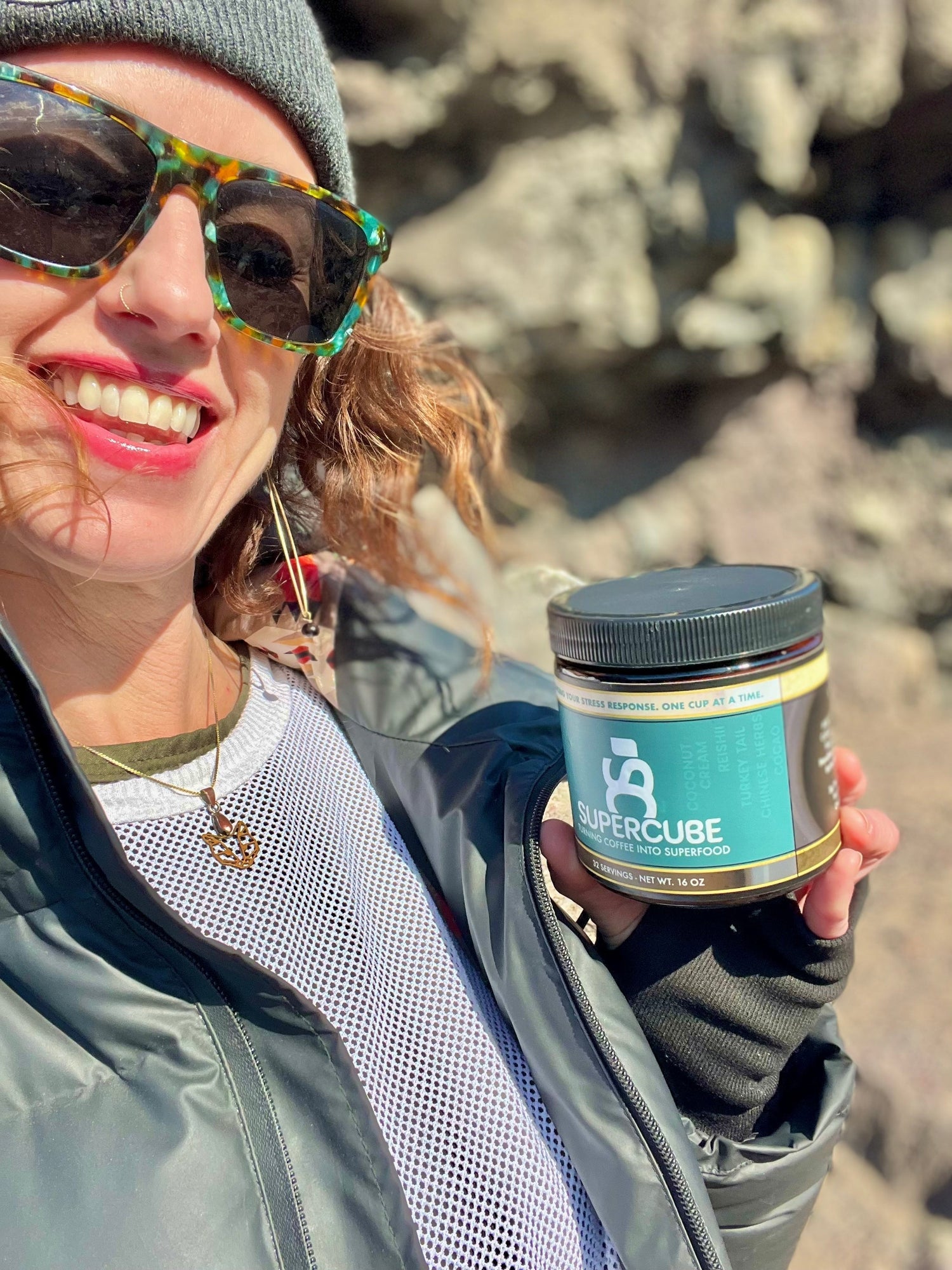
This is also where daily rituals can help more than dramatic resets. Adding supportive herbs or functional ingredients into an existing coffee, matcha, chai, or tea routine is often easier to stick with than trying to become a totally different person by Monday.
Stress is a hormone story too
A lot of women think they have a period problem when they really have a stress problem that is showing up in their period. Cortisol, your main stress hormone, influences ovulation, blood sugar, thyroid function, sleep quality, and inflammation. So yes, being constantly wired can absolutely show up as worse cramps, a shorter fuse, low libido, or feeling tired but unable to rest.
The tricky part is that stress support has to feel realistic. If your life is full, being told to meditate for an hour is not helpful. Your nervous system responds to small, repeated signals of safety. That can be ten minutes of morning light, walking after meals, eating lunch away from your laptop, or taking three slow breaths before your first sip of coffee.
Traditional Chinese Medicine has long looked at hormone patterns through the lens of flow, nourishment, and stress affecting the whole system. That perspective can feel especially validating if your symptoms seem connected in a way conventional wellness advice does not always explain. When mood, digestion, cycle changes, and energy crashes travel together, the body is usually telling one bigger story.
Sleep is not optional if you want balanced hormones
You cannot out-supplement a fried sleep schedule. Sleep is when your body recalibrates cortisol, repairs tissue, supports insulin sensitivity, and helps regulate appetite hormones like ghrelin and leptin. Bad sleep often looks hormonal before women realize the root issue. You feel hungrier, more anxious, puffier, more inflamed, and less emotionally resilient.
If sleep has been off, start with rhythm before perfection. Go to bed and wake up at roughly the same time. Dim lights earlier than feels necessary. Keep late-night scrolling from becoming your personality. If you are waking at 3 a.m. every night, that can point to blood sugar instability, stress overload, alcohol sensitivity, or just a nervous system that forgot how to downshift.
Gentle evening rituals help because they teach the body what is coming next. A warm shower, magnesium, herbal tea, stretching, or a no-fuss skincare routine can all work. The goal is not to perform wellness. The goal is to make rest easier to access.
Eat enough for the hormones you want
Under-eating is wildly common among women who are trying to feel better and accidentally making things worse. If your body thinks resources are scarce, it will prioritize survival over thriving. That can affect thyroid function, reproductive hormones, mood, and metabolism.
This does not mean eating perfectly. It means eating adequately and consistently. Many women with fatigue, irregular cycles, or intense PMS are simply not getting enough protein, enough minerals, or enough calories to support the demands on their body.
Pay attention to the basics that are easy to miss. Protein supports blood sugar, ovulation, and neurotransmitters. Fiber helps with estrogen metabolism and regular bowel movements, which matters because estrogen needs a clear exit route. Minerals like magnesium, potassium, and sodium support stress resilience and energy. Healthy fats help build hormones in the first place.
If your version of healthy eating leaves you cold, shaky, snacky, and obsessed with sugar by 4 p.m., it is probably not that healthy for your hormones.
Movement should support, not punish
Exercise can help balance hormones naturally, but the dose matters. Too little movement can worsen insulin resistance, mood issues, and sluggish circulation. Too much high-intensity training, especially when paired with poor sleep and under-eating, can push the body further into stress.
A hormone-friendly approach usually includes walking, strength training, mobility work, and cardio that does not leave you wrecked. Walking is especially underrated. It supports blood sugar, digestion, lymphatic flow, and stress regulation without asking your body to recover from another hit.
If your cycle feels worse when your workouts get harder, believe that feedback. More is not always better. The feminine body tends to respond best to consistency, nourishment, and recovery.
Support detox pathways without getting weird about it
The liver and gut play a real role in hormone balance, especially estrogen metabolism. But supporting detox does not need to involve extreme cleanses or seven powders in a mason jar.
Your body already detoxes. It just does it better when it has what it needs. That means enough fiber, enough water, regular bowel movements, cruciferous vegetables, quality protein, and less alcohol if you know it makes your symptoms worse. If you are constipated, estrogen can recirculate instead of leaving the body efficiently, which may contribute to bloating, breast tenderness, and heavier periods.
This is one of those unglamorous wellness truths that actually moves the needle. Hormone support is often less about adding trendy things and more about helping the body do its normal jobs well.
How to balance hormones naturally in real life
Real life is the whole point. You do not need a beautiful six-step morning routine and a color-coded supplement drawer. You need habits that fit into your actual day.
That might mean anchoring hormone support to what you already do. Add protein to breakfast before touching your inbox. Put your herbal support into the drink ritual you already love. Take a walk after dinner instead of trying to become someone who suddenly enjoys boot camp at 6 a.m. Keep emergency snacks in your bag so your hormones are not at the mercy of meetings and carpool lines.
This is one reason ritual-based wellness works so well for busy women. It lowers friction. And when support feels good, feminine, and easy to repeat, your body gets the consistency it has been asking for.
If you want extra support, LALAS WELLNESS is built around that exact idea - daily, approachable rituals that help support stress, energy, cycles, and the systems tied to hormonal health.
When natural support needs a deeper look
Sometimes lifestyle shifts help a lot. Sometimes they help, but not enough. If your periods are extremely painful, your cycle disappears, you are bleeding heavily, your acne is sudden and severe, or your symptoms are affecting daily life, it is worth getting medical support and lab work when appropriate.
Natural hormone support and clinical care are not enemies. They work beautifully together. The goal is not to tough it out. The goal is to understand what your body is asking for.
Your hormones are always responding to the story of your day - how you eat, how you rest, how you handle stress, how safe your body feels. Start there, gently and consistently, and let your routine become a form of care your body can finally trust.