
The Sentence That Sends Women to My Clinic
More women land on my treatment table because of the sentence "your labs are normal" than because of any single symptom. They arrive carrying years of bloating, unpredictable bathroom patterns, food reactions they can map from memory, and a growing suspicion that they sound like a complainer inside a seven-minute appointment. I want to say this plainly before anything else: you know your body, your symptoms are real, and wanting an explanation makes you a good historian of your own health.
I also want to be fair to your doctor, because fairness gets us further than frustration. A primary care visit is built to answer urgent, specific questions. Is this celiac disease, is this Crohn's or ulcerative colitis, is there bleeding, is there a mass, is the thyroid failing. Those are important questions, and when the answers come back reassuring, the visit has done the job it was designed for. Your body is telling a longer story than that visit can hold, and I want to sit with you long enough to hear all of it.
What Your "Normal" Labs Actually Measured
A standard workup usually covers a complete blood count, a metabolic panel, sometimes a celiac screen, and inflammatory markers if your doctor is thorough. Those tests rule out disease states, and ruling out disease is genuinely worth celebrating. They say very little about function. Motility, meaning the speed food moves through you, goes unmeasured. The composition of your microbiome goes unmeasured. The integrity of your gut lining, the tight junctions that decide what passes into your bloodstream, goes unmeasured. Food sensitivities, bacterial overgrowth in the small intestine, and the daily conversation between your gut and your nervous system all live in the space between diseased and well, and that space is where most of my patients actually live.
There is a second layer for women specifically, because digestive complaints in women get attributed to stress or hormones more often than any of us would like. Here is the useful twist: hormones and stress really do shape digestion, since estrogen affects motility, progesterone affects the gut lining, and cortisol reroutes blood away from digestion entirely. Naming hormones as the reason to stop looking and naming hormones as the place to start looking are two very different appointments, and you deserve the second kind.
The Gut-Brain Connection Is Measurable Physiology
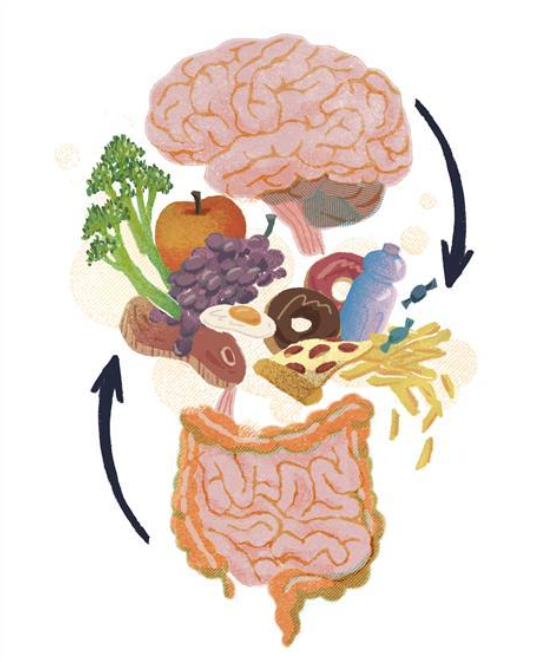
When a provider says "it might be stress," the science underneath that sentence is real even when the delivery feels dismissive. Your gut and brain talk constantly through the vagus nerve, your gut bacteria help manufacture calming neurotransmitters like GABA along with most of your serotonin supply, and a nervous system stuck in fight or flight slows motility, reduces enzyme output, and reshapes the microbiome over time. Chinese medicine has described this relationship for two thousand years through the spleen and liver systems, where worry knots digestion and frustration stagnates it. I find this hopeful rather than discouraging, because a system this connected gives you many doors into the same room.
How to Be Heard at Your Next Appointment
Preparation changes these visits. Keep a two-week symptom diary that records meals, stress, sleep, your cycle, and symptoms with times of day, because patterns on paper are much harder to wave away than recollections. Ask specific questions, in these words: has celiac actually been screened, can we run a full thyroid panel, can we check ferritin, total iron, and total iron binding capacity, and can we look at inflammatory markers. Ask what findings would warrant SIBO testing or a gastroenterology referral. If the appointment still leaves you unheard, you are allowed to build a bigger team, and a dietitian who specializes in gut health, a functional medicine provider, or an acupuncturist who works at the systems level can each hold the longer version of your story.
What You Can Start While You Gather Your Team
You have more leverage at home than the exam room suggested. Eat in a downshifted state when you can, which means sitting, taking a breath or two before the first bite, and chewing like digestion starts in the mouth, because it does. Build fiber up gradually with water alongside it, favor cooked vegetables over raw while your gut is reactive, and bring in gut-lining foods like bone broth and the mucilaginous plants, including marshmallow root tea, slippery elm, okra, and aloe. Walk after meals when you can, because gentle movement supports motility. Watch what a large sweet coffee on an empty stomach does to your symptoms, and if the answer is nothing good, pair your caffeine with food and fat. None of this requires anyone's permission, and all of it generates the data that makes your next appointment better.
Supporting the System While You Look Deeper
BestTea is the blend I formulated over five years of clinical practice for exactly this patient, the woman with real symptoms and reassuring labs. It combines Chinese herbs and functional mushrooms to support the gut lining, the microbiome, and comfortable digestion as a whole system, which is the terrain every strategy in this post depends on. Shop BestTea
If you want a practitioner to sit with the whole story, meaning your cycle, digestion, sleep, stress, and labs together, that is what I do in a Self'ish Health hormone consult, and I would love to hear all of it.
BestTea supports digestive function and does not treat IBS, inflammatory bowel disease, celiac disease, or any diagnosed condition discussed in this post. It belongs inside a broader plan that includes appropriate medical care, and if your symptoms are persistent or worsening, please keep working with a provider who can investigate properly.
Lara Dilkes, L.Ac. MSAOM FNLP is the founder of Lala's Wellness and co-host of the She's Got Guts podcast with Gut Health Dietitian Molly Ostrander.