
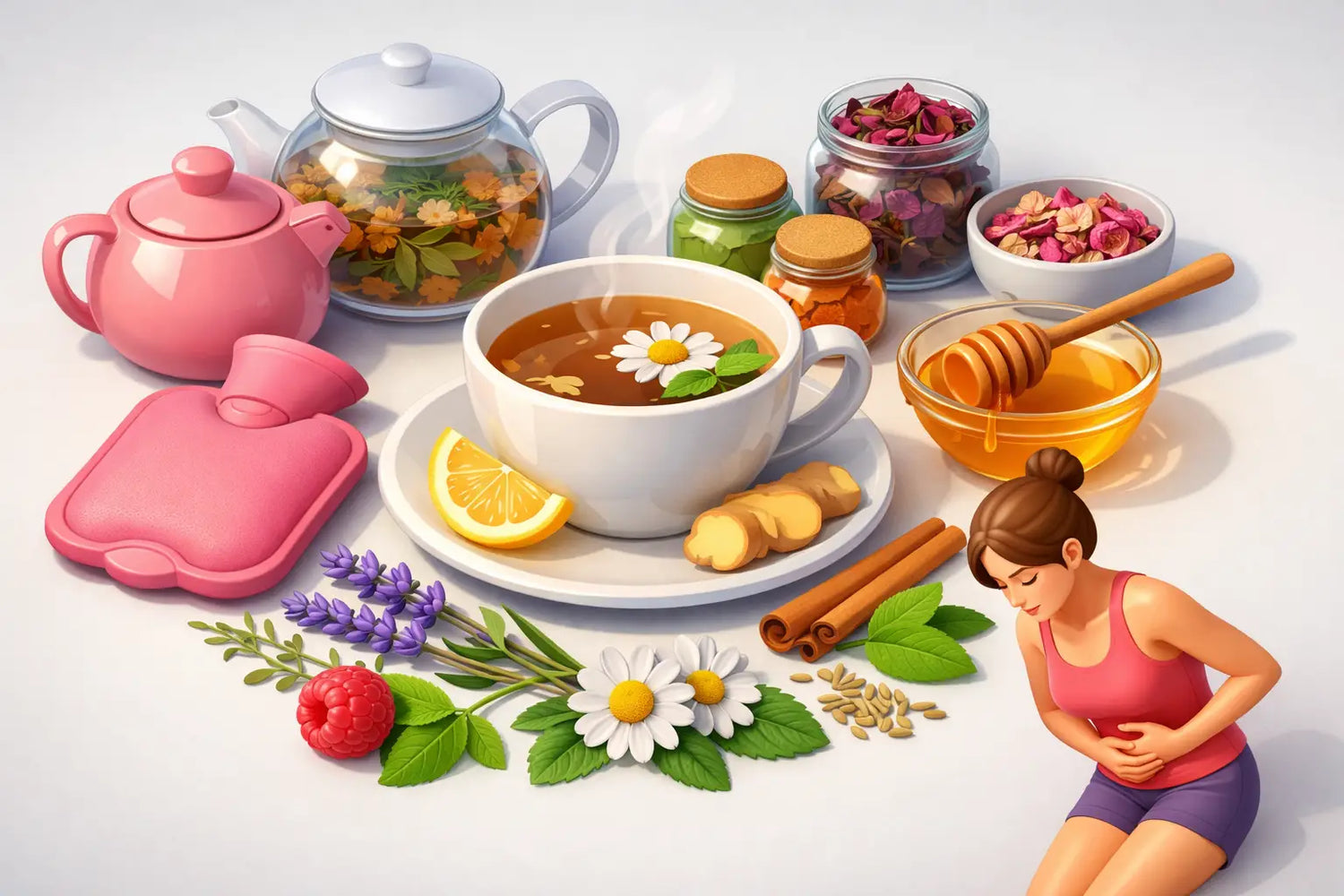
Your heating pad is working overtime, your lower belly feels like it has a personal grudge, and plain water is not exactly giving comfort. The best teas for period cramps can turn a few quiet minutes into a genuinely supportive ritual - especially when you choose herbs with a purpose instead of grabbing whatever is hiding in the back of the cabinet.
Tea will not erase every cramp, and it should not be expected to carry the whole load. But warmth, hydration, and specific botanicals can help ease muscle tension, settle the digestive chaos that often tags along with your period, and give your nervous system a much-needed exhale. That is a pretty lovely place to start.
Why warm tea can help period cramps
Menstrual cramps happen when the uterus contracts to shed its lining. Those contractions are driven in part by prostaglandins, which can also bring bloating, nausea, headaches, loose stools, and that deeply unfair feeling of wanting to cancel your entire calendar.
A warm drink does not directly switch off prostaglandins, but heat can feel soothing on a tense abdomen, while hydration supports circulation and digestion. Herbs add another layer. Some are traditionally used for spasms and discomfort; others are especially useful when cramps come with gas, nausea, irritability, or a cold, tight feeling in the pelvis.
From a Traditional Chinese Medicine perspective, period discomfort is not one-size-fits-all. Some bodies run cold and benefit from warming spices. Others feel hot, inflamed, and extra sensitive, where gentler, cooling choices may feel better. Your symptoms are data, babe.
7 best teas for period cramps
1. Ginger tea for cold, tight cramps and nausea
Ginger is a period-day classic for a reason. It has a warming, spicy quality that can feel especially comforting when your cramps come with nausea, chills, bloating, or a heavy, sluggish lower-belly sensation. Research on ginger has also shown promise for reducing menstrual pain in some people.
Steep fresh ginger slices in hot water for 10 to 15 minutes, or use a quality ginger tea bag. Add lemon or a little honey if that makes it more appealing. If you tend toward reflux or heartburn, make it lighter rather than extra spicy.
2. Chamomile tea for cramps plus stress spirals
When your body is cramping and your brain is also writing a 2 a.m. screenplay about every unfinished task, chamomile is a beautiful choice. It is traditionally used to promote relaxation and may help with mild muscle tension. It is also naturally caffeine-free, so it works well as an evening ritual when sleep is part of the healing assignment.
Choose chamomile when your cycle has you feeling wound tight, emotionally raw, or unable to settle. If you have an allergy to ragweed, daisies, or related plants, check with a clinician before making it your nightly go-to.
3. Peppermint tea for bloating and digestive discomfort
Not every period cramp is purely uterine. Sometimes the lower-belly pain is partly bloating, trapped gas, or digestion acting wildly out of character. Peppermint tea may help relax the digestive tract and can be a soothing choice after meals when your jeans suddenly feel personally offensive.
Peppermint has a bright, cooling taste. That can be perfect for nausea and puffiness, but it may not feel as good if you run cold during your period or if you deal with reflux, since mint can worsen heartburn for some people.
4. Cinnamon tea for a cozy, warming ritual
Cinnamon brings warmth, sweetness, and a little more romance to the period-care mug. It has been studied for menstrual discomfort and may be helpful for some people with cramping, nausea, and heavier-feeling cycles. In TCM-inspired care, warming spices are often favored when cramps improve with heat.
Use culinary cinnamon tea or steep a cinnamon stick. Do not go overboard with concentrated cinnamon supplements or very large daily amounts, especially if you take blood-thinning medication or have liver concerns. Tea is the cozy lane here.
5. Fennel tea for cramping with gas and fullness
Fennel has a soft licorice-like flavor and a long history of use for digestive discomfort. It can be a smart pick when your period arrives with a balloon-belly situation, intestinal cramping, or that feeling that nothing is moving comfortably through your system.
Crush fennel seeds lightly before steeping so their aromatic oils can infuse the water. If you dislike licorice flavors, blend it with ginger or peppermint rather than forcing yourself through a cup you do not enjoy. A ritual only works when you actually want to repeat it.
6. Raspberry leaf tea for ongoing cycle support
Red raspberry leaf is often called a uterine tonic in herbal traditions. The evidence for period pain specifically is limited, but many people enjoy it as a nourishing, mineral-rich tea during the month. Its flavor is mild, earthy, and closer to black tea than to fruit punch.
Think of raspberry leaf as a steady ritual rather than an emergency cramp rescue. It may be most useful for people who like building supportive habits across their whole cycle. If you are pregnant, trying to conceive, or taking medication, ask your prenatal or medical provider before using it regularly.
7. Lemon balm tea for moodier period days
Lemon balm is a gentle member of the mint family with a soft citrus scent. It is less about attacking cramps directly and more about supporting the stress piece that can make pain feel louder. When you are irritable, restless, or mentally fried along with your cramps, a cup can create a calmer landing place.
Try lemon balm in the afternoon or evening, especially if caffeine makes your PMS anxiety worse. It blends beautifully with chamomile for a mellow, floral-citrus cup.
How to choose the best tea for your period symptoms
Start with the sensation, not just the word “cramps.” If your belly feels cold, clenched, and better with a heating pad, reach for ginger or cinnamon. If bloating, gas, and nausea are making the whole experience worse, peppermint or fennel may be the better fit. If your pain is manageable but your mood and sleep are taking the hit, chamomile or lemon balm can be the more supportive move.
You do not need a complicated tea ceremony with seven jars and a spreadsheet. Pick one tea you genuinely like, keep it visible, and make it part of the first or last beverage ritual of your day. A few days before your period is often a beautiful time to begin if your cycle is fairly predictable.
For a stronger cup, cover your mug while the herbs steep. This keeps the aromatic compounds from floating away with the steam. Aim for 5 to 10 minutes for bagged tea and 10 to 15 minutes for fresh ginger, seeds, or loose herbs. Sip it warm, ideally while you also give your body something else it is asking for: food, rest, a walk, a heating pad, or a boundary.
A note on caffeine, sugar, and timing
Caffeinated tea is not automatically off-limits during your period. Please Lawd do not take your cozy morning beverage away. But if caffeine makes you jittery, worsens breast tenderness, disrupts sleep, or amplifies anxiety, consider swapping your second cup for an herbal option during the days you feel most sensitive.
Sweetened tea drinks can also sneak in a blood sugar roller coaster. Pair your tea with a protein-forward snack if you are hungry, rather than using a sugary drink as a meal stand-in. Stable blood sugar will not magically solve cramps, but it can make energy dips and mood swings feel less dramatic.
When cramps need more than tea
Tea is supportive care, not a reason to white-knuckle severe symptoms. Make an appointment with a healthcare professional if pain routinely makes you miss work or school, does not improve with typical measures, suddenly becomes much worse, or comes with very heavy bleeding, fainting, fever, pain during sex, or bleeding between periods. Conditions such as endometriosis, fibroids, adenomyosis, and pelvic infections deserve real attention.
Be thoughtful with herbs, too. If you are pregnant, breastfeeding, managing a health condition, or taking prescription medications, your pharmacist or clinician can help you choose safely.
Your period does not need to be a monthly punishment you simply endure. Brew the tea, turn on the heating pad, and let your care be both practical and a little bit luxurious.