




News

Cycle Syncing Breakfast Ideas for Every Phase

Cycle Syncing Breakfast Ideas for Every Phase

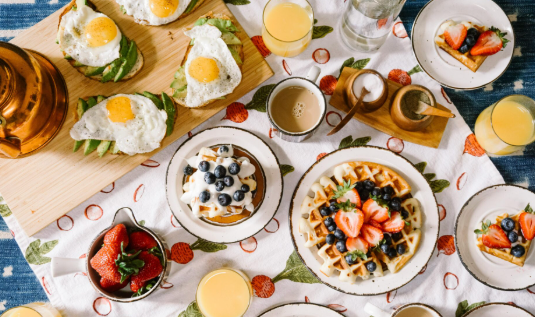
Cycle syncing breakfast ideas for steadier energy, calmer cravings, and nourishing support through every phase of your menstrual cycle with simple meals.

Your breakfast should not leave you shaky, starving at 10 a.m., and wondering why your mood is suddenly hanging by a thread. These cycle syncing breakfast ideas are built around a gentler goal: giving your body steady fuel that meets the real-life shifts in appetite, energy, digestion, and cravings that can happen across your cycle.

Think of cycle syncing as body literacy, not another food rulebook. Your menstrual cycle is not a four-week meal plan that needs to be followed perfectly. Some months you may want a savory breakfast every day. Other months, oatmeal is the only thing that sounds remotely appealing. The win is noticing what helps you feel fed, grounded, and less at the mercy of the snack drawer.

Does Stress Affect Menstrual Cycle Timing?

Does Stress Affect Menstrual Cycle Timing?

Does stress affect menstrual cycle timing, flow, or PMS? Learn why stress can shift your period and practical, gentle ways to support your body daily.

Your period was due three days ago, and suddenly you are analyzing every cramp, craving, and calendar notification. So, does stress affect menstrual cycle timing, flow, or PMS symptoms? Absolutely, it can. Your body is not being dramatic or failing you. It is responding intelligently to the signals it is receiving, including the very real signal that life feels like a lot right now.

Stress is not only the big, obvious stuff, like grief, a job loss, or a major move. It can also look like running on too little sleep, skipping lunch to make a meeting, pushing through intense workouts, caring for everyone else, worrying about money, or feeling emotionally stretched thin for weeks. Your hormones feel that pressure.

Why Am I Tired Before My Period? 6 Real Reasons

Why Am I Tired Before My Period? 6 Real Reasons

Why am I tired before my period? Learn how hormone shifts, sleep, stress, cravings, and low iron can drain your energy - and what may help feel steady.

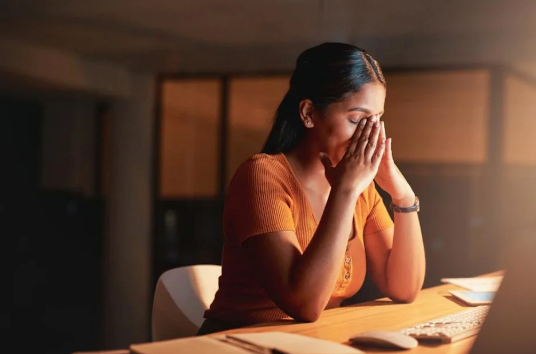
That pre-period exhaustion can feel wildly unfair. You are technically sleeping, you have a calendar full of things to do, and yet your body wants to cancel plans and become one with the couch. If you keep asking, why am I tired before my period?, you are not imagining it and you are definitely not alone.

The days before your period are a major hormonal transition. Your energy, sleep, appetite, mood, digestion, and stress tolerance can all shift at once. Add a packed schedule, caffeine that hits a little differently, or a period that tends to be heavy, and the fatigue can get loud.

7 Best Herbs for Cycle Support

7 Best Herbs for Cycle Support

Discover the best herbs for cycle support, from cramp care to mood and flow balance, plus how to use them safely in a simple daily ritual.

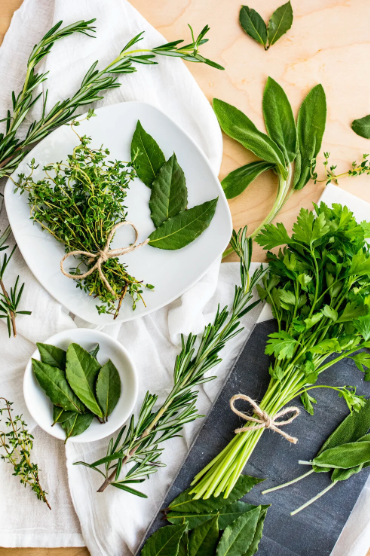
Some months your cycle feels manageable. Other months it barges in like it owns the place - cramps, cravings, bloating, mood swings, weird fatigue, and that low-key feeling that your body is asking for support in a language no one taught you to speak. If you’ve been searching for the best herbs for cycle support, the real answer is less about one magic plant and more about choosing herbs that match what your body is actually asking for.

That’s the part that gets missed in a lot of period advice. “Cycle support” can mean easing cramps, regulating stress, supporting healthy blood flow, helping with PMS irritability, or reducing the wiped-out feeling before and during your bleed. Different herbs do different jobs, and the best fit depends on your pattern, not just your symptoms on a random Tuesday.

What Helps Painful Periods Naturally?

What Helps Painful Periods Naturally?

What helps painful periods naturally? Learn which habits, foods, heat, herbs, and cycle support can ease cramps and help you feel more like yourself.

If your period regularly knocks the wind out of you, you are not being dramatic. Cramping that makes you cancel plans, curl around a heating pad, or count the hours until relief is real body stress. And if you have been wondering what helps painful periods naturally, the answer is usually not one magic trick. It is a mix of nervous system support, circulation, inflammation support, and everyday habits that make your cycle less chaotic over time.

Painful periods can happen for different reasons. For some women, the main issue is stronger uterine contractions triggered by prostaglandins. For others, stress, poor sleep, blood sugar swings, low iron, endometriosis, fibroids, adenomyosis, or hormone imbalance are part of the picture. That is why the most helpful natural support tends to work on two levels at once - easing pain in the moment and making the whole cycle feel more supported month after month.

How to Support Luteal Phase Mood Naturally

How to Support Luteal Phase Mood Naturally

Learn how to support luteal phase mood with simple daily habits for steadier energy, fewer crashes, and gentler cycle shifts.

Three days before your period, the patience is gone, your cravings are loud, and even a normal text can feel weirdly personal. If that sounds familiar, you are not dramatic, needy, or failing at wellness. Learning how to support luteal phase mood starts with understanding that this phase asks more from your nervous system, your blood sugar, and your emotional reserves.

The luteal phase begins after ovulation and lasts until your period starts. This is the stretch when progesterone rises, estrogen shifts, and your body puts in a lot of behind-the-scenes work. For some women, that looks like a little more tenderness and a stronger need for rest. For others, it can feel like mood swings, irritability, anxiety, low motivation, cravings, poor sleep, and the deeply annoying sense that your usual routine suddenly stops working.

How to Ease PMS Naturally and Feel Better

How to Ease PMS Naturally and Feel Better

Learn how to ease PMS naturally with food, movement, sleep, stress support, and simple cycle-friendly habits that help you feel more like yourself.

The week before your period can make you feel like a different person in your own body. Your jeans feel tighter, your patience is thinner, your cravings are louder, and suddenly every email sounds personal. If you have been wondering how to ease PMS naturally, the real answer is not one magic supplement or one perfect habit. It is a handful of supportive shifts that help your hormones, nervous system, blood sugar, and inflammation work with you instead of against you.

PMS is not just in your head, and it is not a sign that your body is failing you. It is often a sign that your body needs more support during the luteal phase, the stretch of time after ovulation and before your period starts. This phase asks a lot from you. Progesterone rises, your metabolism changes, your body temperature ticks up, and you may become more sensitive to stress, poor sleep, blood sugar swings, and inflammatory foods. That is why a routine that feels fine during one part of your cycle can suddenly feel awful during another.

Natural Support for Perimenopause That Helps

Natural Support for Perimenopause That Helps

Natural support for perimenopause can ease mood swings, poor sleep, hot flashes, and energy dips with simple daily habits that truly help.

Some days perimenopause feels like your body changed the group chat settings without telling you. You sleep lightly, wake up hot, snap at nothing, crave sugar by 3 p.m., and then wonder why your old routine suddenly is not cutting it. If you are looking for natural support for perimenopause, the goal is not to fight your body into submission. It is to support the systems doing the heaviest lifting right now - hormones, blood sugar, stress response, sleep, and digestion.

Perimenopause is not just about estrogen dropping. In many women, hormones fluctuate wildly before they decline more steadily. That is why symptoms can feel random. One month your cycle is shorter, the next it disappears for six weeks. Mood swings flare, breast tenderness shows up, then you are lying awake at 2 a.m. wondering if this is normal. It often is. Annoying, yes. Imagined, absolutely not.

Perimenopause Symptom Support Guide

Perimenopause Symptom Support Guide

A perimenopause symptom support guide for mood, sleep, energy, and cycle shifts with simple, holistic habits that fit real daily life.

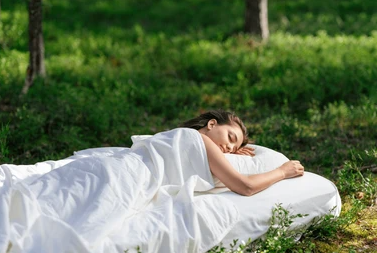
Some days it is the 3 a.m. wake-up. Some days it is the sudden rage over a dishwasher left half-loaded. Some days it is a period that arrives early, late, or with a level of drama you did not sign up for. This perimenopause symptom support guide is here to say what many women need to hear: you are not imagining it, and your body is not betraying you. It is changing, and it deserves support that feels steady, practical, and kind.

Perimenopause is the transition leading up to menopause, and it can start years before your periods stop completely. For some women it begins in their late 30s, though it is more common in the 40s. Hormones do not simply decline in a neat little line. They fluctuate. That is why symptoms can feel unpredictable - heavy periods one month, insomnia the next, then breast tenderness, anxiety, headaches, or a weird sense that your usual routine suddenly does not work anymore.

Women’s Hormone Balance Guide That Works

Women’s Hormone Balance Guide That Works

A women’s hormone balance guide with simple daily habits to support energy, mood, cycles, stress, and blood sugar - without overwhelm.

Some days it feels like your body is sending mixed signals all at once - wired but tired, craving sugar by 3 p.m., bloated for no clear reason, snapping at people you love, then lying awake when you’re finally supposed to rest. A real women’s hormone balance guide should start there, with the lived experience, not just lab jargon.

Hormones are messengers, but they do not work in isolation. If your stress response is on fire, your blood sugar is bouncing, your digestion is sluggish, or your sleep is broken, your hormones feel that too. That is why the most helpful approach is not chasing one symptom at a time. It is learning how your body talks, then supporting the systems that shape the whole picture.

Does Blood Sugar Affect Hormones? Yes

Does Blood Sugar Affect Hormones? Yes

Does blood sugar affect hormones? Yes - and the ripple effects can show up in mood, cravings, cycles, stress, sleep, and daily energy.

That 3 p.m. crash that makes you want something sweet immediately? The moody, wired-but-tired feeling after skipping lunch? If you’ve ever wondered, does blood sugar affect hormones, the answer is a very real yes. And not in a vague wellness way. Blood sugar shifts can influence cortisol, insulin, estrogen balance, progesterone steadiness, thyroid function, appetite hormones, and even how stable you feel in your own body.

For a lot of women, this is the missing piece. You might think your symptoms are only about your cycle, only about stress, or only about getting older. But blood sugar is often in the background, quietly stirring the pot.

How to Stabilize Blood Sugar Naturally

How to Stabilize Blood Sugar Naturally

Learn how to stabilize blood sugar with simple daily habits that support energy, cravings, mood, and hormones without overhauling your life.

That 3 p.m. crash where your brain goes foggy, your patience disappears, and suddenly something sweet sounds like an emergency? That is often your body asking for steadier fuel. If you have been wondering how to stabilize blood sugar without turning your life into a full-time wellness project, the good news is that a few small shifts can change how you feel fast.

For many women, blood sugar swings do not show up as one obvious symptom. They show up as cravings, shaky energy, irritability, headaches, poor focus, waking in the night, feeling ravenous and then wiped out, or riding a monthly roller coaster that seems worse when stress is high. Blood sugar also has a tight relationship with hormones, cortisol, and the nervous system, which is why this conversation matters far beyond food.

TCM for Women’s Health That Fits Real Life

TCM for Women’s Health That Fits Real Life

Learn how TCM for women's health supports hormones, energy, stress, and cycles with simple, daily rituals that fit real life.

If your cycle feels unpredictable, your energy crashes by 3 p.m., and stress seems to land straight in your hormones, you are not imagining it. TCM for women's health has stayed relevant for centuries for one reason - it looks at these symptoms as connected, not random. That shift alone can feel like a relief when your body has been asking for support in five different ways at once.

Traditional Chinese Medicine does not separate menstrual health from digestion, mood, sleep, immunity, or stress resilience. It treats the body more like an ecosystem than a list of isolated problems. For women dealing with painful periods, PMS, burnout, perimenopause, or that wired-and-tired feeling, this whole-body lens is often what makes the approach feel different.

What Causes Hormone Imbalance Symptoms?

What Causes Hormone Imbalance Symptoms?

What causes hormone imbalance symptoms? Learn how stress, blood sugar, sleep, gut health, and life stages can shift hormones and affect you.

One month your body feels steady, predictable, and easy to read. The next, you are snapping at everyone by 3 p.m., waking up exhausted, craving sugar like it is a personality trait, and wondering why your period suddenly arrived with drama. If you have been asking what causes hormone imbalance symptoms, the answer is usually not one single villain. It is more often a stack of daily stressors, body-system imbalances, and life-stage shifts that start talking to each other.

Hormones are messengers. They tell your ovaries, thyroid, adrenals, brain, gut, and blood sugar systems how to communicate. When that communication gets noisy, symptoms show up. That can look like irregular periods, PMS, mood changes, acne, fatigue, poor sleep, stubborn weight changes, low libido, headaches, or feeling wired and tired at the same time.

How to Support Hormones Naturally

How to Support Hormones Naturally

Learn how to support hormones naturally with simple daily habits for sleep, stress, blood sugar, cycles, and steady energy.

If your energy crashes by 3 p.m., your cycle feels unpredictable, and your cravings seem to show up with a personal agenda, your hormones may be asking for more support, not more punishment. Learning how to support hormones naturally often starts with one comforting truth: your body is not being dramatic. It is responding to stress, blood sugar swings, poor sleep, inflammation, and the daily pace you have been expected to just power through.

Hormones are messengers. They help regulate mood, metabolism, sleep, menstrual cycles, fertility, appetite, and how calm or frazzled you feel in your own skin. When they are under pressure, the symptoms rarely stay in one lane. You might notice PMS that suddenly feels louder, irregular periods, stubborn fatigue, anxious energy, low libido, skin flare-ups, headaches, or the strange combo of being tired and wired at the same time.

Perimenopause Mood Swings Support That Helps

Perimenopause Mood Swings Support That Helps

Perimenopause mood swings support starts with daily habits that steady hormones, blood sugar, sleep, and stress so you feel more like yourself.

One minute you are fine, and the next you are irritated by the sound of someone chewing. Or crying in the car for reasons you cannot quite name. If you are looking for perimenopause mood swings support, you are not being dramatic, and you are not failing at coping. You are living through a real hormonal transition that can change the way your brain, nervous system, sleep, and energy work together.

Perimenopause can feel especially rude because the emotional shifts are often unpredictable. You may still get a period, just not on a schedule you can trust. You may feel more anxious before bleeding, more wired at night, more fragile after a bad night of sleep, or suddenly less able to tolerate the stress load you used to push through. That is not random. It is your body asking for a different kind of support.